Hit by a Driver With No Insurance Here’s Your Legal Recourse
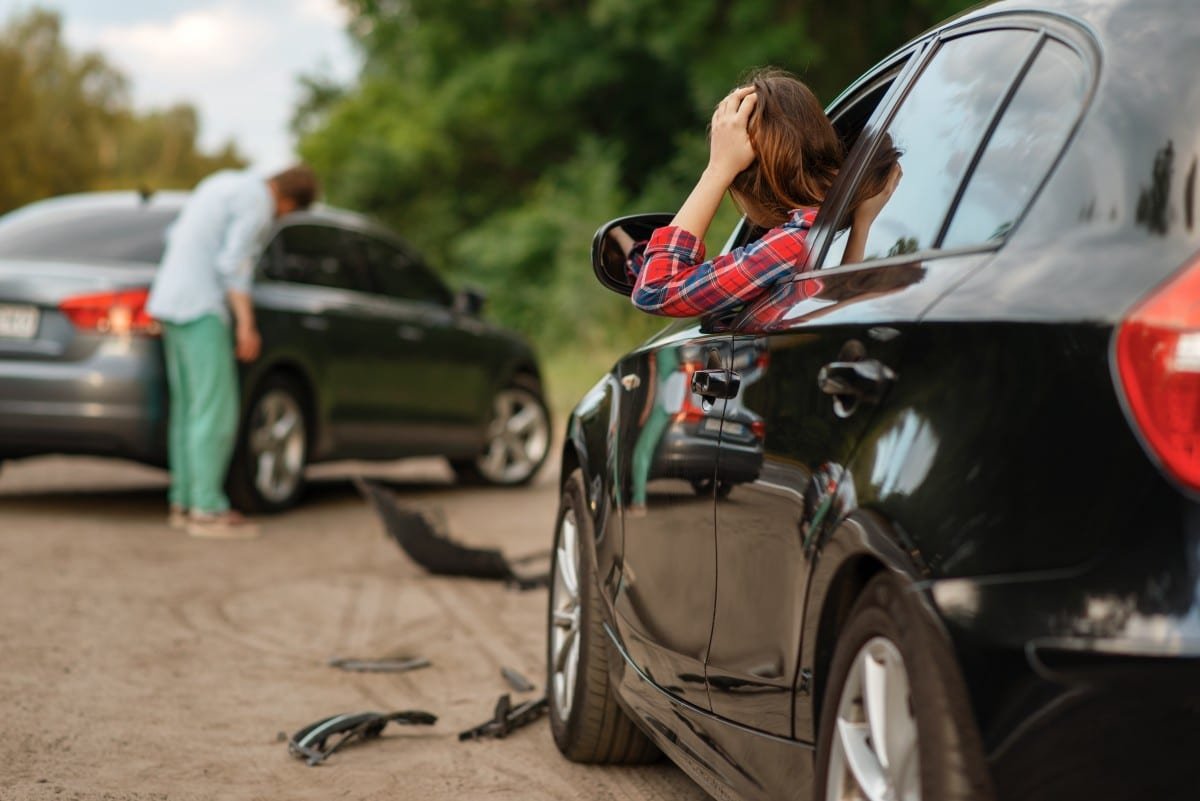
The moment you learn the other driver has no insurance, your heart sinks. You’ve just been in an accident, and now you’re left wondering who will pay for the damage and your injuries. It feels like you’ve hit a dead end.
Here is the good news: you likely have legal options and a path to compensation. While the process can be challenging and may feel adversarial—even with your own insurance company—your situation is far from hopeless. This article breaks down your legal recourse, from immediate steps to long-term strategies.
Your First Steps at the Scene
What you do in the minutes and hours after the crash is critical. Think of yourself as a detective building an undeniable case . Your goal is to create a clear, documented record of what happened, as this will be the foundation of your claim.
1. Call 911 and File a Police Report
This is non-negotiable. A police report serves as the official, third-party account of the accident . It documents the other driver’s lack of insurance and often includes the officer’s initial assessment of fault . Without it, your claim becomes a “he said, she said” dispute that gives your insurance company a reason to question the facts .
2. Document Everything Meticulously
Use your smartphone to become a diligent record-keeper . Take more photos and videos than you think you’ll need, including:
- Vehicle Damage: Close-ups of impact points and wider shots showing the full scope of damage.
- Scene Context: Positions of the cars, skid marks, traffic signs, weather conditions, and debris.
- Driver Information: The other driver’s license, their license plate, and the Vehicle Identification Number (VIN) on their dashboard .
3. Exchange Information and Gather Witnesses
Get the other driver’s name, address, and phone number. Keep the conversation minimal and avoid discussing fault . If anyone saw the accident, get their name and contact information. Independent witness accounts are powerful and can help reconstruct the accident .
4. Avoid Roadside Deals
Never accept cash or promises from the uninsured driver in exchange for not reporting the crash. This can make things much harder later and may jeopardize your ability to claim compensation .
Understanding Your Uninsured Motorist Coverage
If the at-fault driver has no insurance, your primary source of compensation will likely be your own insurance policy—specifically, your Uninsured Motorist (UM) coverage . Think of UM coverage as your personal financial safety net for the worst-case scenario .
The Two Pillars of UM Coverage
- Uninsured Motorist Bodily Injury (UMBI): This covers medical treatment, lost income, pain and suffering, and other costs tied to physical injuries for you and your passengers .
- Uninsured Motorist Property Damage (UMPD): This covers repairs to your vehicle after it’s been damaged by an uninsured driver. This may have a deductible .
Finding UM Coverage on Your Policy
Check your “declarations page”—the summary sheet at the front of your policy documents. Look for lines like “Uninsured Motorist Bodily Injury” (UMBI) and “Uninsured Motorist Property Damage” (UMPD). The numbers next to them represent the maximum amount your insurance company will pay out . For instance, limits shown as $30,000/$60,000 mean your policy provides up to $30,000 for one person’s injuries and a total of $60,000 for everyone hurt in that single accident .
Are Your Limits Enough?
Many drivers carry the state minimums, which are often too low to cover the actual costs of a serious accident . The Insurance Research Council (IRC) estimated that 15.4% of all motorists were uninsured in 2023—about one in seven drivers . That means the risk of an accident with an uninsured driver is high, and your UM limits should reflect that.
Stacked vs. Unstacked Limits
If you have more than one vehicle on your policy, you may have the option to “stack” your UM/UIM limits .
- Unstacked limits: Each vehicle has a fixed amount of coverage. If you have three cars with $100,000/$300,000 limits, you have $100,000 per person and $300,000 total for an accident .
- Stacked limits: The limits for each vehicle are combined to create a larger pool of coverage. With the same limits and three cars, stacked limits would give you $300,000 per person and $900,000 total per accident .
Filing Your Uninsured Motorist Claim
When you file a UM claim, the dynamic with your insurer flips. They step into the shoes of the at-fault driver’s insurance—which doesn’t exist—and their goal is often to pay out as little as possible . This can feel jarring, as you have to prove everything to your own company just as you would to a stranger’s .
Navigating the Claim Process
The typical UM claim process involves the following steps:
- Claim Initiation: Notify your insurance company about the accident and that you intend to file a UM claim. Policies have strict reporting deadlines, so don’t wait .
- Investigation: Your insurer will investigate the accident. They may ask for the police report, photos, witness details, medical bills, and evidence of lost wages .
- Determining Fault: Your insurer needs to confirm that the uninsured driver caused the accident. This is where your documentation is vital .
- Validating Uninsured Status: The insurer uses police reports and state records to verify the other driver didn’t have insurance .
- Settlement: After reviewing the details, your company determines the value of your claim. This process helps you recover money for your injuries, lost wages, and pain and suffering .
Building Your Case With Strong Evidence
To get a fair settlement, you need a strong case. A solid claim is built on a foundation of clear, organized proof .
The Recorded Statement: Proceed with Caution
An adjuster will likely ask for a recorded statement. Be very careful. Stick to the hard, objective facts. Avoid guessing about fault or saying things like “I’m fine,” as adrenaline can mask injuries that may become serious later . If possible, consider consulting with an attorney before giving a recorded statement .
Can You Sue the Uninsured Driver?
You have the right to sue the uninsured driver for your damages, but whether it’s worth it is another question . A favorable court judgment means little if there’s no money or property to collect .
When a Lawsuit May Be Worth It
- The Driver Has Assets: If the driver owns a home, has a steady job, or runs a business, you may be able to recover damages through wage garnishment, property liens, or asset seizure .
- Your Insurance Doesn’t Cover Everything: If your UM coverage is too low to cover all your damages, a lawsuit could help you recover the difference .
When a Lawsuit Is Not Worth It
If the uninsured driver is unemployed, has no savings, and rents their home, they may be considered “judgment-proof.” Even if you win, collecting becomes difficult or impossible . In this case, you might spend more on legal fees than you could ever recover.
How to Find Out If the Other Driver Has Anything
Before filing a lawsuit, an attorney can help determine if the other driver has assets worth pursuing. This is a critical step to avoid wasting time and money on a legal battle with no financial recovery at the end . Lawyers can investigate assets through:
- Public records searches for property deeds, vehicles, or business ownership.
- Employment verification to see if wage garnishment is an option.
- Subpoenas to obtain bank account information .
Additional Options and Considerations
Alternative Liable Parties
Sometimes, the uninsured driver isn’t the only party at fault. Consider if:
- The driver was operating a company vehicle, making the employer potentially liable .
- Road defects contributed to the accident, meaning a government entity could be a defendant .
Hiring an Attorney
Dealing with an uninsured driver is legally complex. An experienced personal injury attorney can be an invaluable asset . They can:
- Assess your insurance policy and determine all applicable coverage.
- Negotiate with your insurance company to maximize your payout.
- Help you decide if filing a lawsuit is worthwhile and handle the legal process .
- Protect you from your own insurer’s tactics to minimize payouts .
Many personal injury attorneys work on a contingency fee basis, meaning they don’t get paid unless you win . This allows you to access top-quality legal representation without upfront costs.
A Note on Jurisdiction
The information in this article is general in nature. Laws, procedures, and the availability of UM/UIM coverage vary from state to state . For instance, in the UK, claims against uninsured drivers are handled by the Motor Insurers’ Bureau (MIB), a non-profit organization funded by the motor insurance industry . Always consult with a local attorney to understand the specific laws that apply to your case.
Frequently Asked Questions
1. How long do I have to file a claim after being hit by an uninsured driver?
Statutes of limitations vary by state and claim type, but many personal injury actions must be filed within two years of the crash . Some UM policies also have shorter contractual deadlines for notice and arbitration . It is crucial to contact an attorney promptly to confirm your state’s statute and policy notice limits.
2. Does uninsured motorist coverage cover hit-and-run accidents?
Yes, in many cases, UM coverage applies in hit-and-run accidents where the at-fault driver can’t be identified . Prompt reporting to the police is essential for these claims.
3. What if my medical bills are higher than my UM coverage limits?
If the at-fault driver has no insurance and your UM limits are exhausted, you may have to pursue a lawsuit against the driver directly to recover the remaining damages . However, this is only worthwhile if the driver has assets.
4. Will my insurance rates go up if I file a UM claim?
Filing a claim can sometimes lead to a rate increase, though it varies by insurer and state. However, this should not prevent you from pursuing a claim you are legally entitled to. It’s best to discuss this with your insurance agent or an attorney.
5. What does “Underinsured Motorist” coverage mean, and how is it different?
Underinsured Motorist (UIM) coverage is different from UM. It applies when the at-fault driver has insurance, but their policy limits are too low to cover all of your bills. Your UIM coverage “kicks in” to make up the difference . Many experts recommend matching your UM/UIM limits to your own liability limits .